Investment & infrastructureExplainer
Buying an operating asset is a different bet from building one
Operating history can replace some assumptions with evidence, while introducing its own questions about condition, liabilities and future spending.
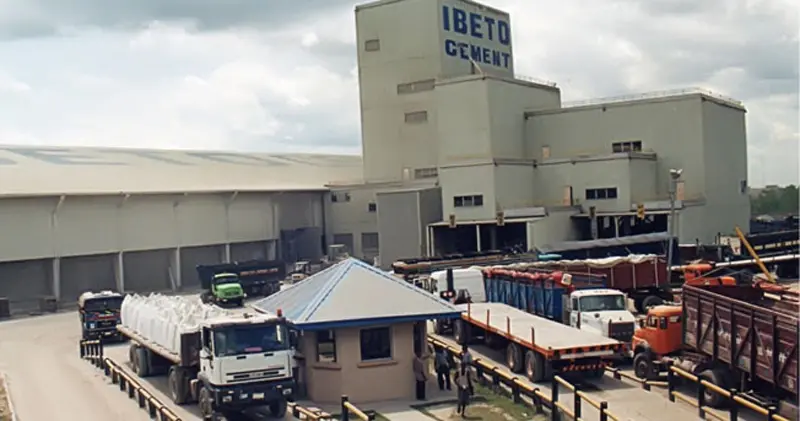
A new project asks an investor to assess what could be built and operated. An existing asset allows the investor to examine what has already happened. The difference changes the evidence available, but it does not remove the need for diligence.
A greenfield case may carry substantial development, construction and start-up uncertainty. An operating asset may offer customer records and performance data while bringing maintenance needs, historical obligations and legacy arrangements.
World Bank project-finance guidance provides context for examining construction, operating and revenue risks across these stages.
Read operating history critically
Past cash generation can help test assumptions. It still needs to be understood in context: were important costs deferred, did a temporary customer support volumes, or is major replacement expenditure approaching?
The physical condition of the asset should be assessed alongside its accounts. A healthy historical margin can coexist with a substantial future spending requirement.
Price the work that remains
For a new development, that may include studies, permissions and construction. For an acquisition or expansion, it may include refurbishment, integration or a change in operating model.
The financing should reflect those tasks and the uncertainty around them. Treating an operating asset as though no transition risk exists can understate the capital required.
Our assessment is that the choice deserves a comparison of evidence, obligations and execution capacity. The label alone says little about whether an opportunity is attractive.
An investor is buying a future stream of outcomes. Existing operations can make that future easier to evaluate, provided their history is examined rather than simply projected forwards.
Sources & context
- World Bank PPP Resource Center: Financing and bankability considerations ↗
Reviewed 26 October 2026 - World Bank PPP Resource Center: Risk allocation in public-private partnerships ↗
Reviewed 26 October 2026
Reporting sources are linked above. Analysis by Bankole & Associates. Sources reviewed 26 October 2026.
Preparing a financing opportunity?
Speak to Bankole & Associates about your capital requirement.
Submit a mandate →