Investment & infrastructureNews analysis
The long road from a project list to financial close
A US$78.5 billion pipeline puts Nigeria’s ambitions in view. The harder task is turning visibility into transactions an investor can actually assess.
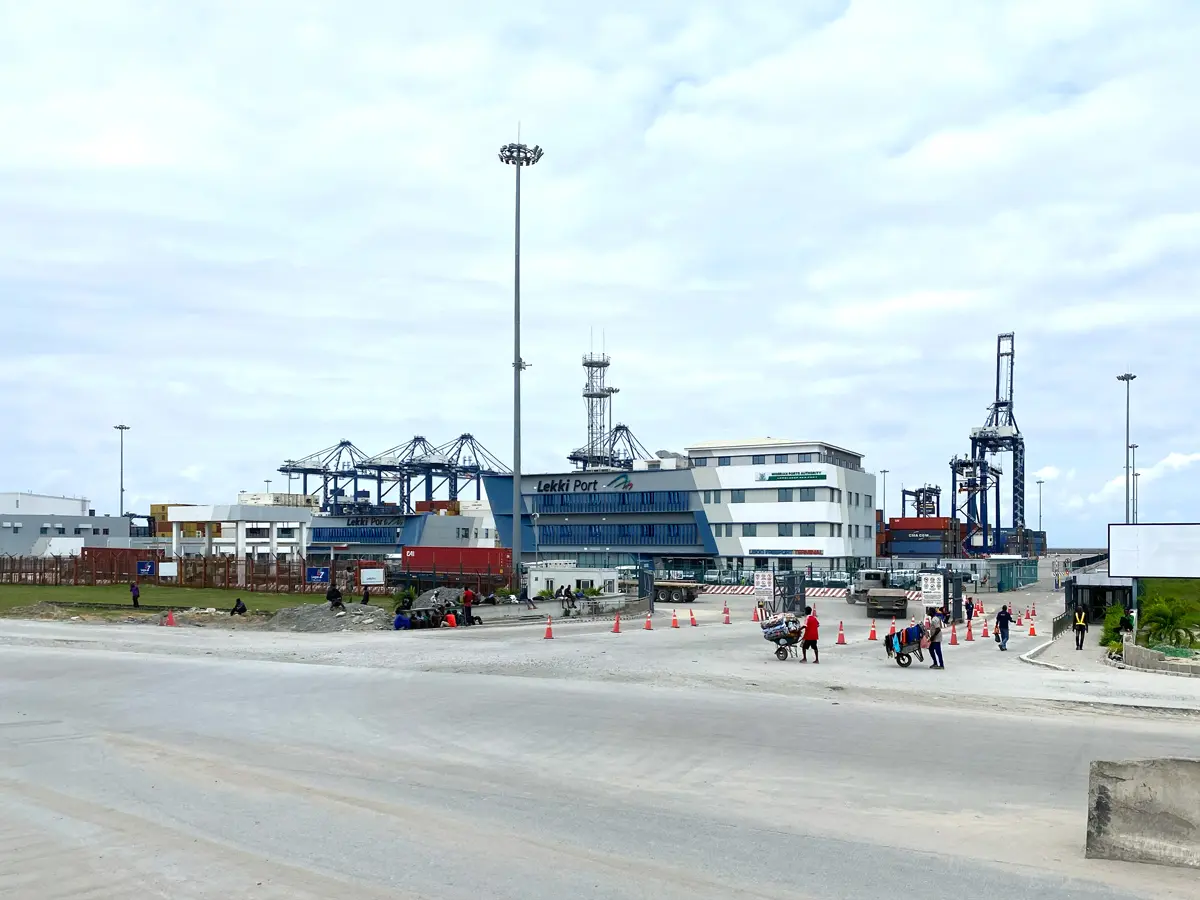
A project can be easy to describe and difficult to finance. A new industrial facility promises jobs. A transport link promises faster movement of goods. An energy development promises productive capacity. Each has a place in an investment presentation. Each still needs someone to explain how the money comes back.
Nigeria’s Federal Ministry of Finance has put the scale of the ambition in public view. Its October 2026 investor briefing presents 65 projects with a combined capital requirement of US$78.5 billion, alongside the Projects Nigeria magazine published on 14 October. Those figures describe a pipeline seeking capital, rather than investment already committed.
That distinction sets up the more interesting story: what happens after a project makes the list?
The work the headline cannot do
A directory gives an opportunity visibility. It cannot resolve uncertain ownership, secure a missing permission or turn an optimistic demand forecast into a customer contract. Those are the questions a prospective financier must be able to examine before an introduction becomes a transaction.
Even the phrase “funding requirement” deserves closer attention. Money needed to complete early development work carries a different risk from money used to buy equipment for an operating business. Construction finance and working capital have different repayment patterns. Combining everything into one large number may make a project sound substantial while making the financing conversation less precise.
Who is ready to carry the next stage?
For a sponsor, the strongest response to investor interest is an organised account of what is already secured and what remains to be done. Who controls the opportunity? Which decisions can the sponsor make? What does the incoming capital unlock, and which risks would the investor inherit?
A useful project brief should let a reader trace those answers back to evidence. Signed documents belong alongside the assumptions they support. Forecasts need a clear basis. Unresolved matters need an owner and a realistic sequence for resolution.
This work also protects relationships. Advisers and capital providers can assess a defined mandate more usefully than a circulating presentation whose authority and terms remain unclear.
A pipeline needs movement
Our view at B&A is that the value of a national project pipeline will emerge through the quality of the opportunities that progress beyond it. The aggregate number attracts attention; a well-prepared individual transaction gives that attention somewhere to go.
For sponsors, the next milestone is therefore quite concrete: a credible financing case that can withstand questions from someone who did not help write it. That is where an ambitious listing begins to become an investable proposition.
Sources & context
- Federal Ministry of Finance: Projects Nigeria investor briefing ↗
October 2026 - Federal Ministry of Finance: Projects Nigeria magazine ↗
14 October 2026
Reporting sources are linked above. Analysis by Bankole & Associates. Sources reviewed 26 October 2026.
Moving a project towards a financing conversation?
B&A helps qualify mandates, organise the financing case and coordinate appropriate capital relationships.
Introduce your project →