Trade & export financeSector perspective
Empty space is not a logistics strategy
A warehouse investment needs a customer proposition, an operating plan and evidence of demand at the right location.
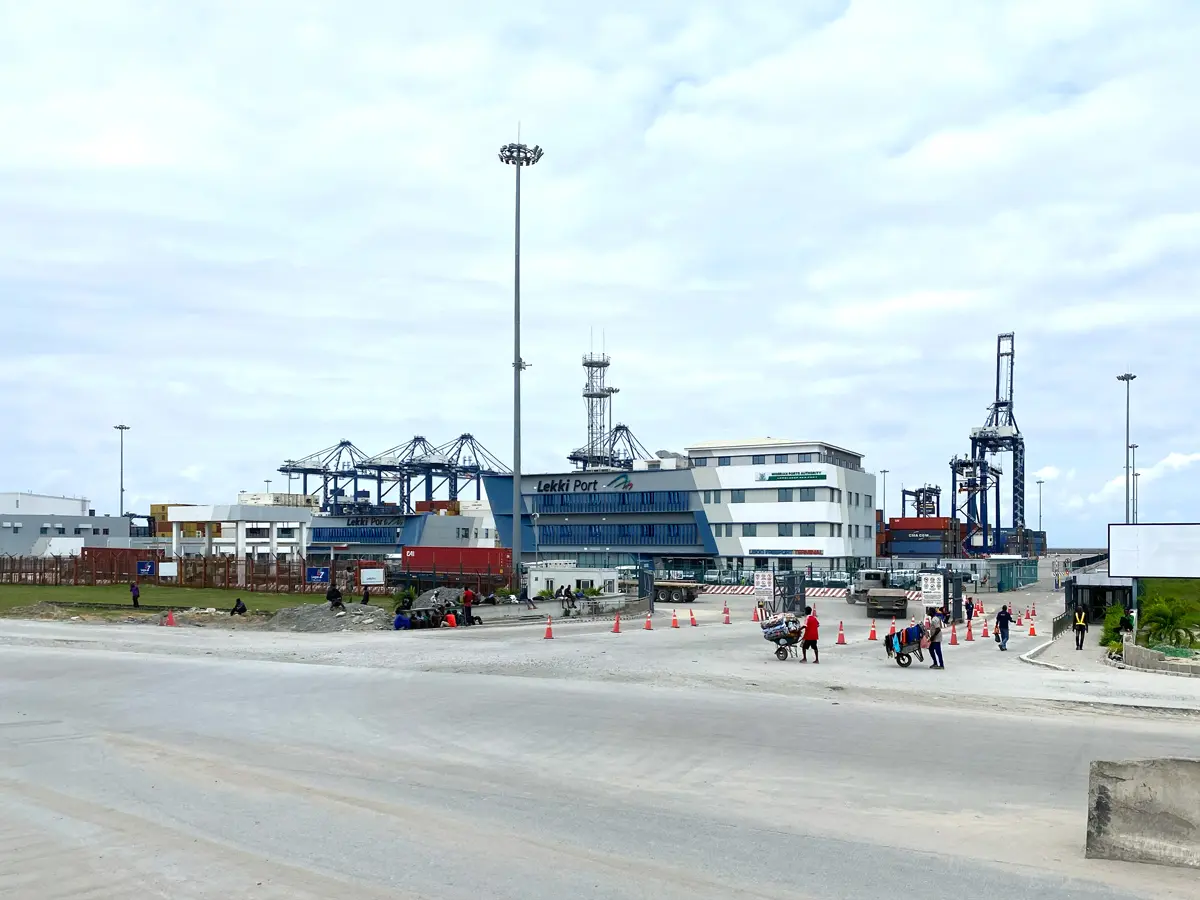
Warehouse capacity can be described in square metres. Its commercial value is better understood through the goods, customers and services expected to use it.
Location influences access to suppliers, ports and final markets. But proximity alone does not establish utilisation. The investor needs to understand what the facility does better for a customer and why that customer will pay.
The general bankability framework in World Bank financing guidance is useful here: expected revenue must connect to a credible operating proposition.
Define the service behind the building
Basic storage, bonded arrangements, specialised handling and managed fulfilment involve different responsibilities and cost structures. The business should identify its intended offering and the capability required to deliver it.
Customer commitments, comparable demand evidence and the competitive environment can help test occupancy assumptions. A letter expressing interest should be described accurately and distinguished from a binding revenue arrangement.
Movement also matters. Loading, access, turnaround and transport coordination can influence whether the warehouse saves customers time or merely relocates their bottleneck.
Underwrite the operating period
Maintenance, staffing, security, utilities and insurance belong in the model alongside construction. The time needed to secure and onboard customers should be reflected in liquidity planning.
A facility that is well designed for one use may be costly to adapt for another. Investors should examine the flexibility assumed in downside cases rather than automatically treating alternative tenants as available.
Our view is that logistics property becomes a stronger investment proposition when the sponsor can explain its role in a specific supply chain.
The funding case should describe the business conducted through the space. The building is the platform on which that business operates.
Sources & context
- World Bank PPP Resource Center: Financing and bankability considerations ↗
Reviewed 26 October 2026
Reporting sources are linked above. Analysis by Bankole & Associates. Sources reviewed 26 October 2026.
Preparing a financing opportunity?
Speak to Bankole & Associates about your capital requirement.
Submit a mandate →