Energy & renewablesNews analysis
After the solar panels: building an energy business that lasts
A dedicated US$300 million fund brings distributed energy into focus. Durable returns depend on the daily business of delivering power, maintaining equipment and collecting revenue.
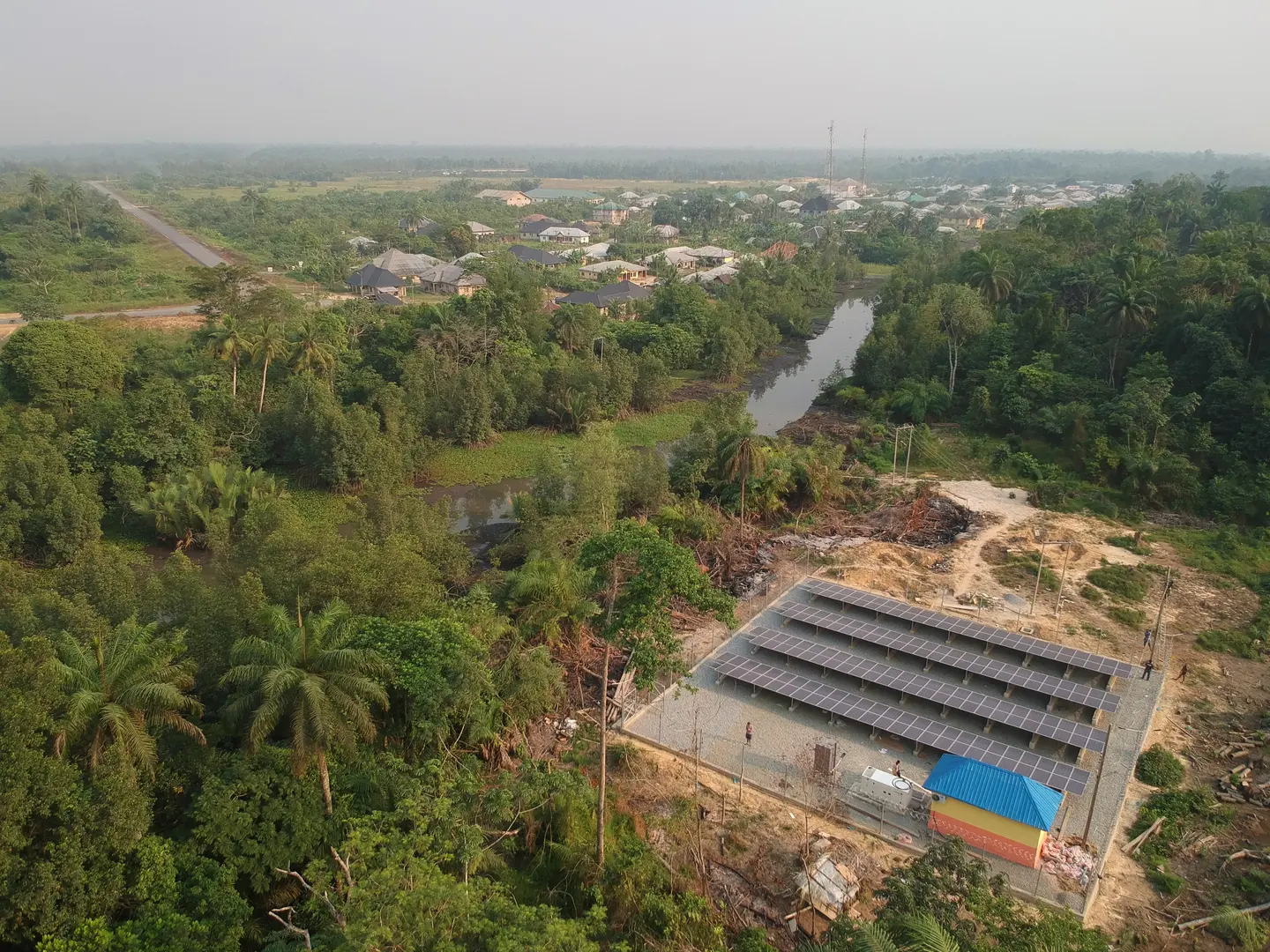
The installation is the visible part: panels on site, equipment connected, a system ready to supply power. An investor must also consider the years that follow. Someone has to maintain the equipment, respond when service fails and collect enough revenue to keep the business operating.
That longer view matters as distributed energy attracts dedicated capital. In its 22 September 2026 announcement, the Nigeria Sovereign Investment Authority described the commercial launch of the US$300 million Nigeria Distributed Renewable Energy Fund, co-managed with Africa50. The platform targets distributed renewable energy, including mini-grids and standalone solar.
The launch gives sponsors a financing development to investigate. It also puts a sharper commercial question in front of them: can the proposed service support a durable business?
Electricity demand is only the opening assumption
A community’s need for reliable power does not tell an investor how much each customer will use, what they can pay or how consistently the operator will collect. Those details shape revenue. They also shape the size of system the business should build.
For an operating portfolio, customer and site-level records can help test expansion assumptions. For a new site, the sponsor needs to explain the evidence behind its demand estimate and the uncertainty that remains. Treating every expression of interest as dependable revenue makes the model look stronger than the evidence.
The operating years belong in the model
Maintenance and component replacement are part of the cost of delivering power. So are the people, contracts and reporting systems needed to keep a growing portfolio under control. A model that describes installation in detail but gives little attention to these costs leaves an important part of the investment case unfinished.
Before a financing discussion, we would want the commercial and technical cases to answer three connected questions:
- Who is buying the service, and what supports the assumptions about usage and payment?
- Who is responsible for uptime, maintenance and replacement, and how are those obligations funded?
- How does the proposed capital structure perform if collections weaken or costs rise?
Build the evidence alongside the asset
Our assessment at B&A is that sponsors strengthen their position when the project brief, operating plan and financial model tell the same story. Site rights and approvals should support the delivery schedule. Customer arrangements should support revenue assumptions. Operating responsibilities should support the service promise.
The fund announcement does not establish a particular project’s eligibility or approval. Its published requirements and access process still need to be checked.
But the wider investment question is already clear. The quality of an energy business will be tested long after the panels arrive. A financing case should be built to look that far ahead.
Sources & context
- Nigeria Sovereign Investment Authority: Commercial launch of the Nigeria DRE Fund ↗
22 September 2026
Reporting sources are linked above. Analysis by Bankole & Associates. Sources reviewed 26 October 2026.
Preparing an energy financing mandate?
Bring the technical plan, commercial arrangements and capital requirement into one clear investment case with B&A.
Submit an energy opportunity →