Agriculture & industrySector perspective
The factory’s power bill belongs in its investment thesis
Capacity expansion should be assessed alongside the cost and reliability of the energy needed to use it.
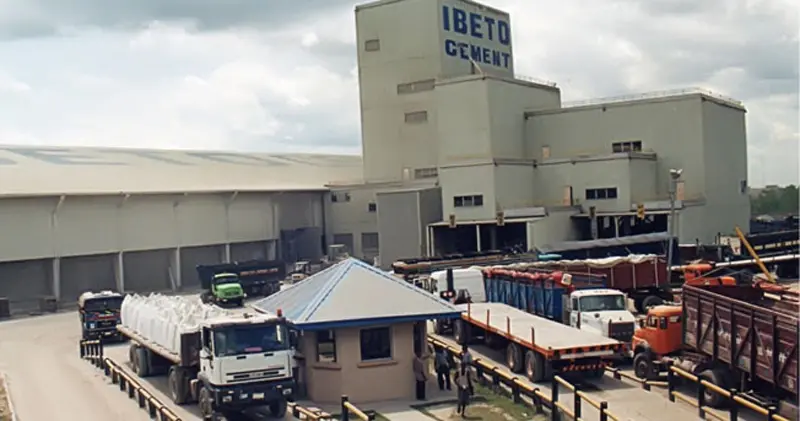
A new production line creates the possibility of higher output. Whether it produces that output economically depends partly on the conditions around it, including power.
Energy cost and reliability influence utilisation, delivery schedules and the cash generated by the factory. Treating them as minor operating assumptions can distort an otherwise detailed expansion plan.
The World Bank’s work on Nigerian mini-grids provides context for distributed-energy activity. It does not establish that a particular manufacturing business should buy or finance a specific system.
Compare operating outcomes
A useful energy assessment starts with the factory’s load profile, reliability requirements and existing arrangements. Alternatives need to be compared on the service they deliver and their total cost over an appropriate period.
Capital expenditure is only one component. Fuel, maintenance, replacement, operating responsibilities and any contract commitments can affect the result. Qualified technical input is important where system performance is central to the production plan.
Connect energy to cash generation
If improved power is expected to increase output, explain how additional production will be sold and funded. A factory may need more working capital to use the capacity made available.
Stress the assumptions as well. Lower utilisation, changes in input prices or delays in customer payment can change the value of an energy investment.
B&A’s view is that the power decision should sit within the wider financing case for the business. It may protect existing revenue, enable growth or reduce costs; each proposition calls for different evidence.
The objective is dependable, economically useful production. An energy plan becomes compelling when it supports that outcome in a measurable way.
Sources & context
- World Bank PPP Resource Center: Risk allocation in public-private partnerships ↗
Reviewed 26 October 2026 - World Bank: Expanding Nigeria’s mini-grid market ↗
30 June 2024 (page URL dated March 2025)
Reporting sources are linked above. Analysis by Bankole & Associates. Sources reviewed 26 October 2026.
Preparing a financing opportunity?
Speak to Bankole & Associates about your capital requirement.
Submit a mandate →